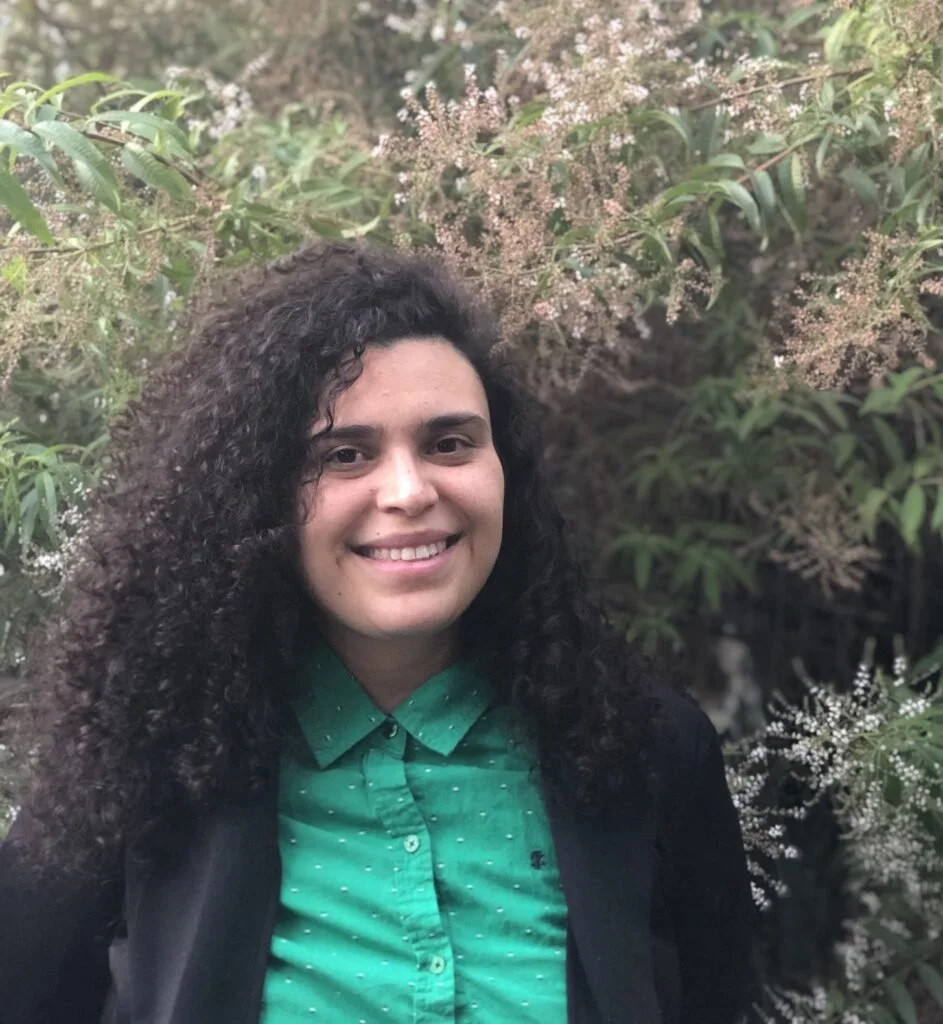
Writing on motherhood, mental health, and healing
Claudette Mestayer is a writer, poet, and licensed clinical social worker in Oakland, California. Read her published essays and articles.
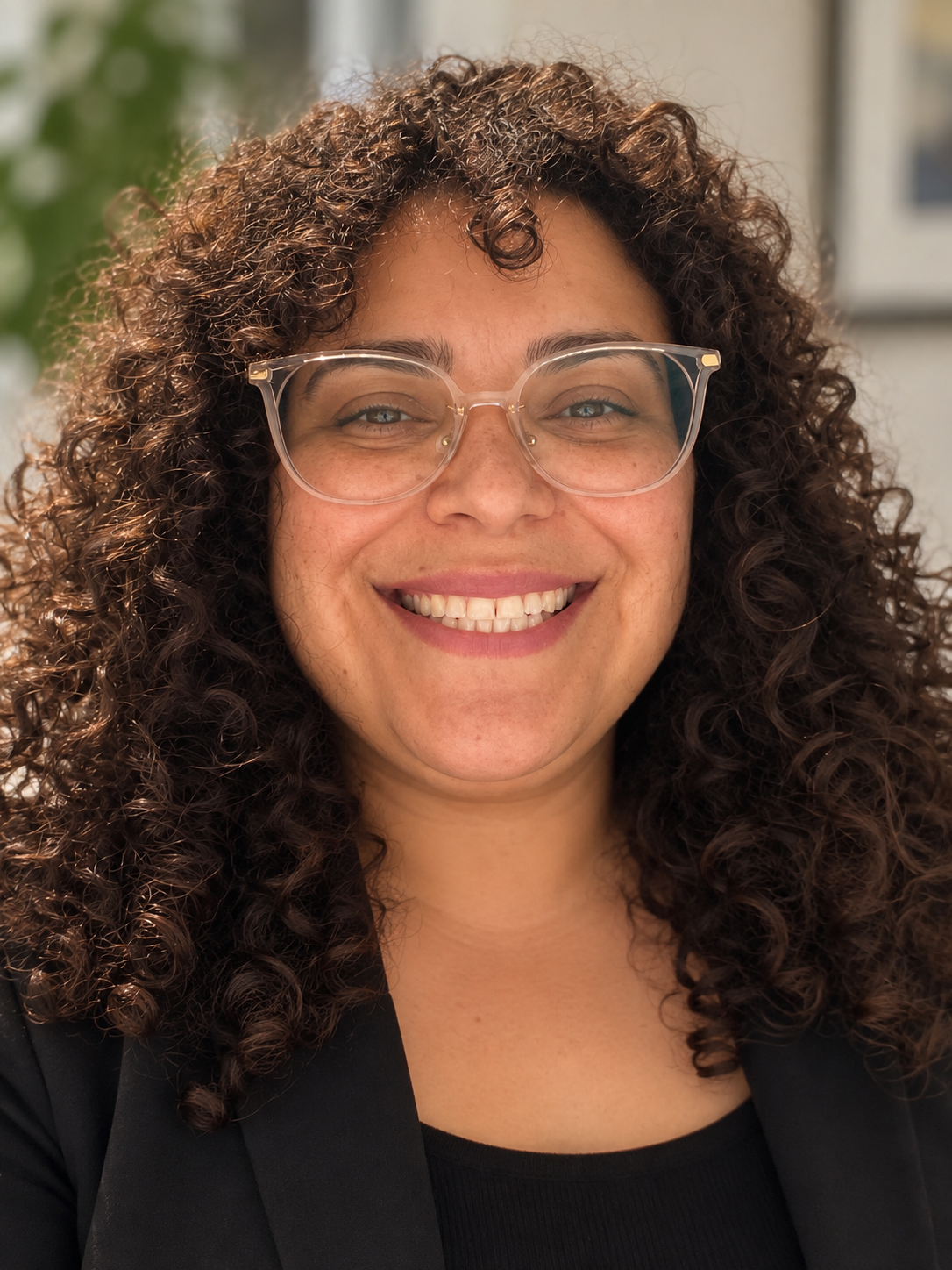
About Claudette
Claudette Mestayer is a first-generation Nicaraguan writer, poet, licensed clinical social worker, and educator living in Oakland, California. A proud San Francisco native, she is committed to uplifting her community and telling stories that are too often marginalized or silenced. Drawing from both lived experience and clinical expertise, her work explores motherhood, mental health, chronic illness, cultural identity, inherited trauma, resilience, and healing. At the heart of her writing is a belief in the power of truth-telling and the ways narrative, prose, and poetry can help us make meaning of what we have survived.
Her essays and articles have appeared in WBUR's Cognoscenti, Postpartum Support International, Psychotherapy Networker, and The Mighty. Her writing has also been accepted for publication in Five Minute Lit. Claudette has spoken at the UC Berkeley MSW commencement and has been a guest speaker at universities and on podcasts, including Latinx Therapy. She was selected for the Muses & Melanin Fellowship for BIPOC Creative Writers.
Claudette is currently working on Winter of Becoming: A Memoir of Motherhood, Madness, and Healing, which explores obsessive-compulsive disorder, pregnancy, postpartum mental health, inherited trauma, and the complicated journey toward healing and self-understanding. Through the memoir, she examines what it means to become a mother while confronting the stories, wounds, and silences inherited from generations before her and what it might mean to create something different for the generation that follows.
Some of Claudette's favorite authors include Octavia Butler, Margaret Atwood, George Orwell, and Audre Lorde. When she is not writing, she enjoys reading science fiction and horror, spending time with her family and dog, napping, taking baths, and connecting with the natural world.
Artist's Statement
Growing up first-generation Nicaraguan in San Francisco, I often felt like I was living between two languages, two cultures, two versions of myself. I learned early that the in-between can feel like its own kind of place, almost a no man's land. In Nahuatl, there is the word Nepantla, the space between. In Miskito, tilara. I have come to understand that this is also where I write from. It is a place that has held pain, but also possibility. Writing is one of the ways I make sense of what happened there, what was lost there, and what I am still becoming.
My writing usually begins in the body. A feeling. An image. A memory I cannot quite leave alone. Sometimes it comes as prose, sometimes as poetry, sometimes as one small moment that keeps asking to be written. I tend to build from those fragments, often with Florence and the Machine or 90s R&B playing in the background, letting the rhythm help me find the voice of the piece. Much of what I write is about saying the thing that was not supposed to be said and putting language to experiences that were once hidden, minimized, or difficult to name.
I am drawn to writers who make room for complicated lives. Octavia Butler taught me to think about change and survival. Sandra Cisneros showed me what it could look like to write from a bicultural life without explaining every part of it. Audre Lorde taught me something about the necessity of truth. And Lucille Clifton reminds me that you do not need permission, or even a model, to write the work that only you can write. I think often about the people I am writing toward: people who have been silenced, marginalized, or made to feel invisible.
Again and again, my work returns to the same questions. What happens when we tell the truth about what we have survived? Can personal narrative become a form of healing? What do we inherit from our mothers and grandmothers, and what are we allowed to put down? I write about motherhood, trauma, disability, mental illness, family, and survival, but I am also interested in what comes after survival. I want to write toward meaning. Toward healing that is messy and unfinished. Toward the possibility that telling the story, fully and in our own words, can help us find our way back to ourselves.